

2026 Volkswagen Tiguan SEL R-Line Turbo near Moore
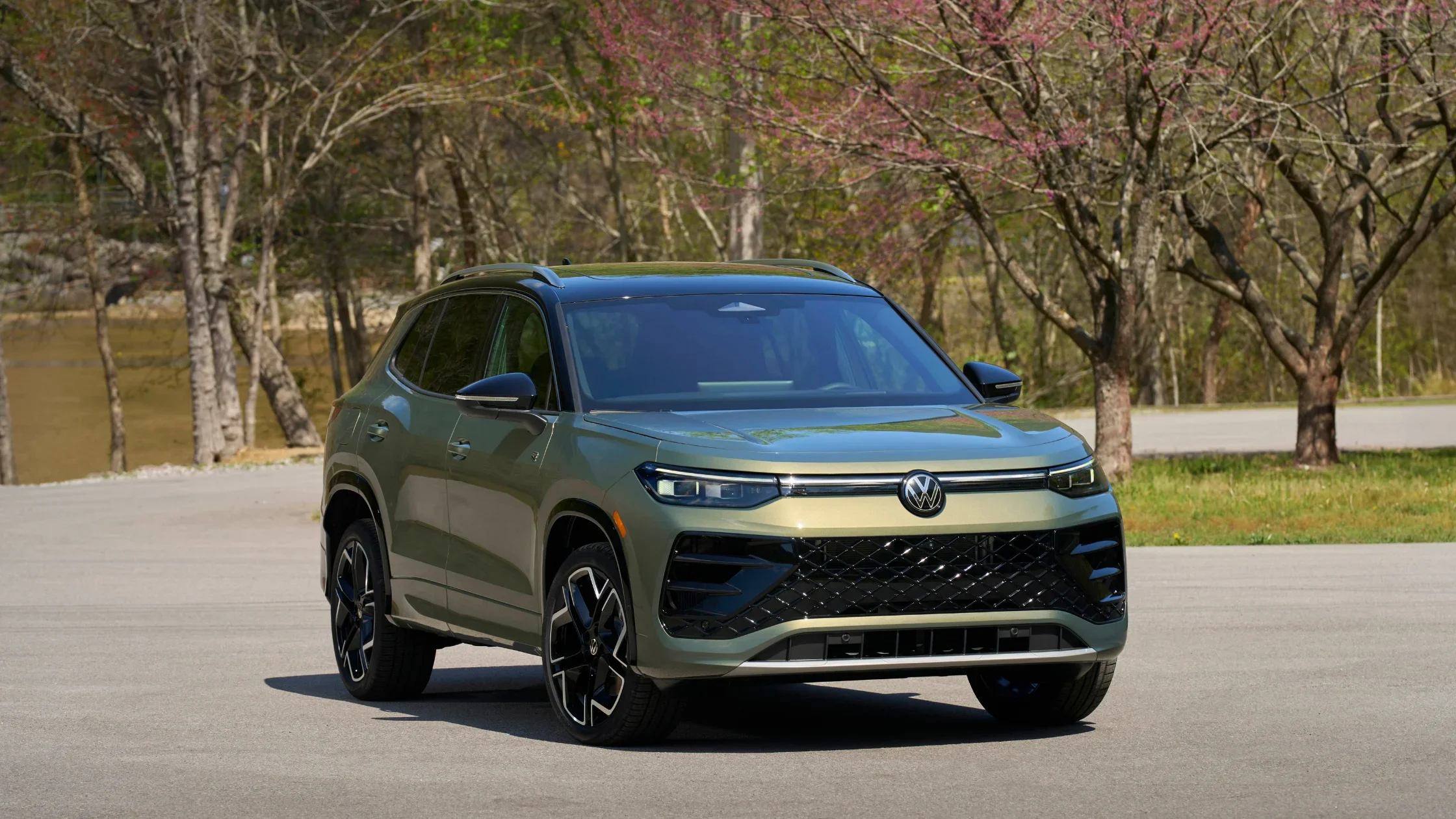
The 2026 Volkswagen Tiguan SEL R-Line Turbo represents a major step forward in the evolution of the compact SUV platform of Volkswagen. It builds upon the fully redesigned 2025 Tiguan, introducing increased performance, refined engineering, and enhanced driver-focused technology. As the top trim for the 2026 Volkswagen Tiguan, it integrates structural, mechanical, and digital innovations that reinforce Volkswagen’s approach to efficiency, power delivery, and precision handling.
Engine Performance and Powertrain Design
The 2026 Volkswagen Tiguan SEL R-Line Turbo is powered by a reengineered EA888 evo5 2.0-liter turbocharged four-cylinder TSI engine. This latest iteration produces 268 horsepower at 5500 rpm and 258 pound-feet of torque, representing an increase of 67 horsepower and 51 pound-feet over the standard engine found in other Tiguan trims. The improvement in power output is achieved through several key upgrades designed to increase boost pressure, optimize combustion, and reduce internal friction.
The turbocharger is larger and operates at higher boost pressure, while the compression ratio is reduced to 10.5 to one for improved stability under load. Strengthened internal components include reinforced pistons, connecting rods, and a nitrided crankshaft. These modifications enhance the engine’s ability to sustain consistent power across a wide rpm range, from 1900 to 5400 rpm. The pistons are oil-cooled to manage temperature and maintain durability during sustained acceleration, and the engine employs variable valve lift on both intake and exhaust sides to improve air and fuel flow efficiency.
The engine of the 2026 Volkswagen Tiguan SEL R-Line Turbo continues to use the Miller-cycle combustion process, which extends the expansion phase of the piston stroke to increase thermal efficiency. This design helps balance performance with fuel economy while maintaining compatibility with regular gasoline. The fuel injection system now operates at higher pressure, raised from 5,076 psi (350 bar) to 7,252 psi (500 bar), allowing for finer atomization and more precise fuel delivery. Additional refinements to the intake system, intercooler, and lubrication network include a higher-capacity vane-type oil pump that ensures stable lubrication during high-load operation.
An optimized chain drive system reduces mechanical drag within the camshafts and oil pump, further minimizing friction losses. The engine is paired with an 8-speed automatic transmission that includes steering-wheel-mounted paddle shifters for manual control. Power is distributed through the standard 4MOTION® all-wheel-drive system of Volkswagen, which adjusts torque output between the front and rear axles for consistent traction and balance. Together, these elements result in an SUV that combines efficient power generation with responsive transmission performance.
Structural Efficiency and Weight Optimization
The Volkswagen engineers achieved an overall reduction in vehicle weight of up to 170 pounds compared with the previous generation. This improvement contributes to both fuel efficiency and acceleration response. The weight savings are primarily the result of revised suspension geometry, lightweight body materials, and refinements to the braking system. These enhancements support improved handling dynamics and braking performance, delivering better control during cornering and on varied terrain.
Exterior Design and Aerodynamic Enhancements
Built on the MQB evo platform, the 2026 Volkswagen Tiguan SEL R-Line Turbo adopts a redesigned body structure that emphasizes aerodynamic efficiency and a stronger stance. The exterior includes a shorter rear overhang and a higher front fascia that increases airflow around the vehicle. The hood and front profile integrate more defined character lines that lead into an athletic shoulder contour, producing a cohesive, performance-oriented appearance.
The lighting system includes a full-width LED light bar and an illuminated Volkswagen logo at both the front and rear, creating a unified lighting signature that enhances visibility and recognition. The headlamps are narrower and more precisely shaped to align with the aerodynamic contours of the body. At the rear, a roof-mounted spoiler extends the vehicle’s silhouette, and functional side flow elements within the D-pillars help manage airflow separation for greater stability.
The 2026 Volkswagen Tiguan SEL R-Line Turbo rides on 20-inch aluminum-alloy wheels and features a standard black roof. The available paint palette introduces three new finishes: Avocado Green Pearl, Sandstone Uni, and Monterey Blue Pearl. Each color is designed to accentuate the SUV’s sculpted form while maintaining a refined appearance consistent with Volkswagen’s modern design language.
Cabin Architecture and Interior Functionality
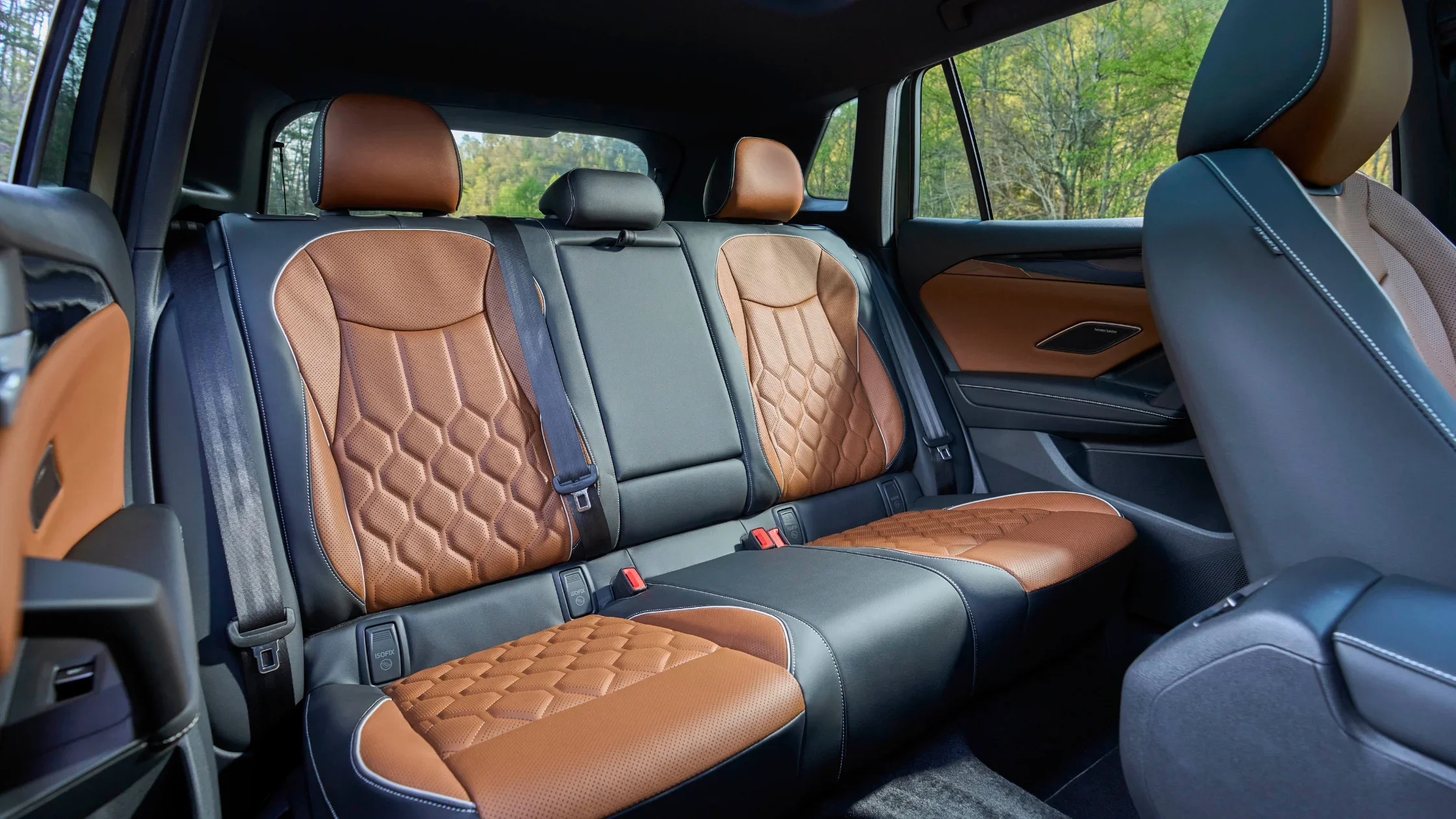
Inside the 2026 Volkswagen Tiguan SEL R-Line Turbo, the interior design focuses on ergonomics, comfort, and material quality. The cabin integrates upgraded materials, including genuine American walnut wood décor and soft-touch surfaces with double stitching along the dashboard and center console. Varenna leather seating surfaces provide both comfort and durability, while the layout emphasizes driver accessibility and control.
The front seats feature 12-way power adjustment, full-back massage functionality with 10 pressure points, and ventilation for temperature regulation. Rear outboard seats are heated, and the steering wheel includes integrated heating as standard. The gear selector has been relocated to the steering column, creating additional open space in the center console for storage and personal devices.
For North American models, the 2026 Volkswagen Tiguan SEL R-Line Turbo adopts a two-row configuration that maximizes interior passenger volume and cargo flexibility. This configuration prioritizes space optimization without sacrificing seat comfort or ride refinement.
Digital Systems and Infotainment Integration
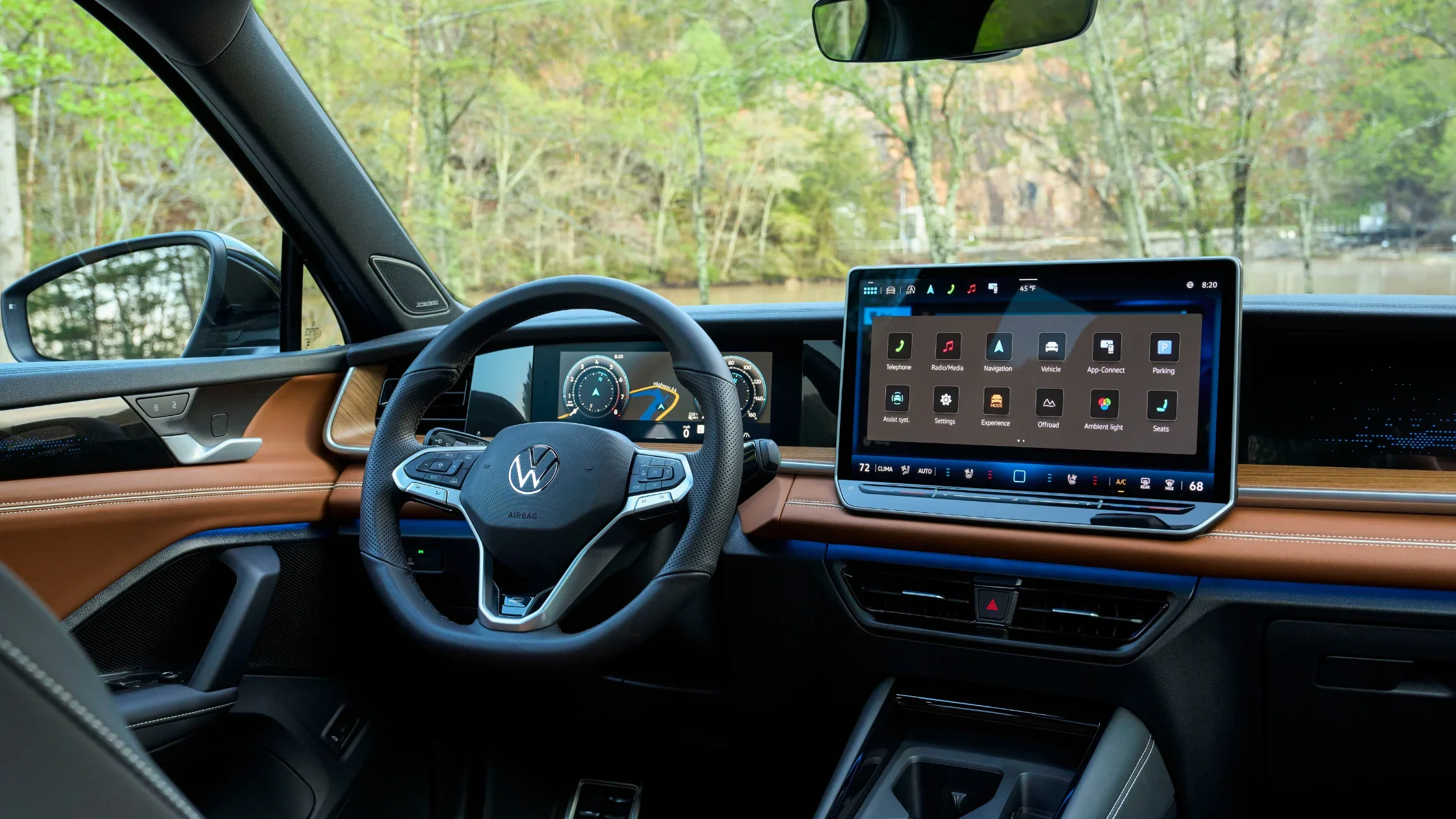
The 2026 Volkswagen Tiguan SEL R-Line Turbo introduces Volkswagen’s newest infotainment system, built on MIB4 architecture. The central 15.0-inch touchscreen display provides access to media, navigation, and vehicle settings, while the 10.25-inch Digital Cockpit Pro offers a customizable instrument cluster for essential driving data. The user interface emphasizes clarity and responsiveness, allowing for quick adjustments through touch or voice interaction.
A new control element, the Driving Experience Dial, is positioned on the center console and combines multiple functions into a single rotary controller. Drivers can adjust Drive Mode Select, control audio volume, and engage the new Atmospheres feature, which synchronizes ambient lighting and audio profiles for customized in-cabin settings.
Connectivity options include wireless App-Connect for smartphone integration and a wireless charging pad positioned within the central console. A 12-speaker Harman Kardon® audio system delivers balanced sound reproduction throughout the cabin. The 30-color ambient lighting system allows for interior customization, while the 3-zone Climatronic® Touch automatic climate system ensures consistent temperature management for all occupants. A head-up display provides key driving information directly within the driver’s forward view, reducing the need to divert attention from the road.
Safety Systems and Driver Assistance
The 2026 Volkswagen Tiguan SEL R-Line Turbo incorporates the latest advancements from Volkswagen in occupant protection and driver assistance. The model is equipped with 10 airbags, including driver knee, center, and rear side units. These additions extend protection across multiple impact zones and complement the existing restraint systems.
The standard IQ.DRIVE® suite integrates multiple driver assistance technologies. Travel Assist provides level 2-ready semi-automated driving capability by combining adaptive cruise control and lane-keeping functions. Front Assist includes forward collision warning and automatic emergency braking with pedestrian monitoring. Adaptive Cruise Control features Stop and Go functionality for low-speed traffic conditions.
Lane Assist helps maintain directional stability by detecting lane boundaries, while Active Blind Spot Monitor and Rear Traffic Alert assist in mitigating side and rear collision risks. Emergency Assist can bring the vehicle to a controlled stop during a medical emergency if the driver becomes unresponsive. Additional systems include Light Assist for automatic high-beam control, Park Distance Control, Exit Warning, and Park Assist Plus, which uses autonomous steering inputs to assist with parallel and perpendicular parking maneuvers.
These systems operate together to enhance driver awareness and reduce the potential for collision through predictive and responsive inputs, maintaining safety as a central engineering objective.
Structural Platform and Vehicle Dynamics
The MQB evo platform serves as the foundation for the 2026 Volkswagen Tiguan SEL R-Line Turbo, providing improved chassis stiffness and weight balance. The suspension geometry has been optimized for both stability and ride comfort, while the braking system has been reengineered for more consistent pedal response. These refinements contribute to precise handling behavior, reduced vibration, and lower road noise levels. The platform’s modular design also enables the integration of next-generation powertrain and electronic systems with minimal structural compromise.