

2026 Volkswagen Jetta near Kannapolis, NC
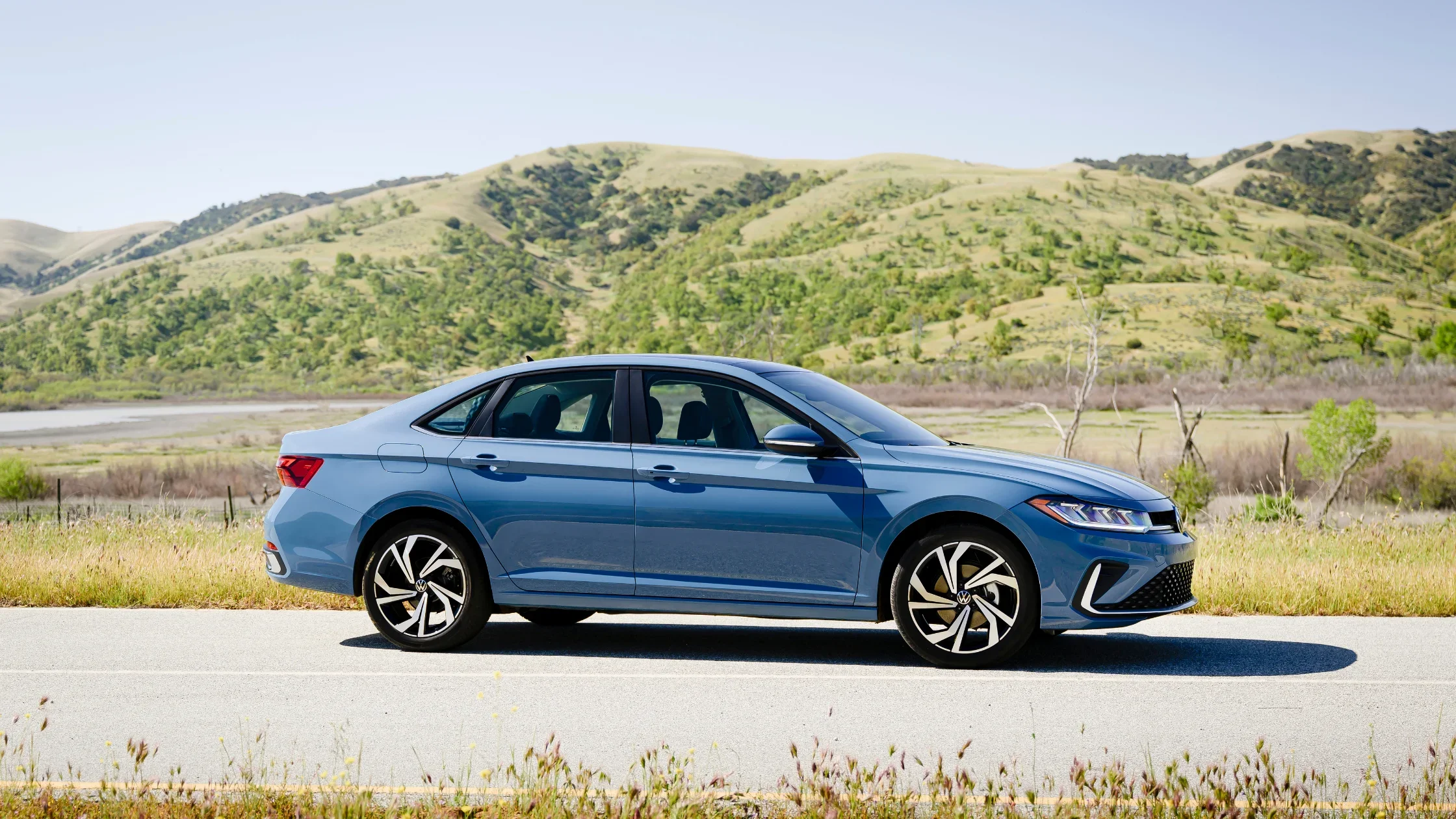
The 2026 Volkswagen Jetta represents a continued focus on technical refinement, efficiency-driven engineering, and standardized advanced systems across its trim range. Designed on the brand’s Modular Transverse Matrix platform, the sedan combines a turbocharged powertrain, digitally integrated controls, and a comprehensive safety architecture within a compact footprint. Its engineering emphasizes predictable handling, aerodynamic efficiency, and consistent system integration across performance, technology, and driver assistance functions. The model’s configuration reflects a balance between mechanical simplicity and modern digital interfaces, ensuring compatibility with contemporary driving requirements. Every major system in the 2026 Volkswagen Jetta is engineered to function cohesively rather than as an isolated feature.
Turbocharged Powertrain Engineering and Mechanical Output
The 2026 Volkswagen Jetta is equipped with a 1.5-liter EA211 turbocharged inline four-cylinder engine. This powerplant generates 158 horsepower and 184 pound-feet of torque and delivers power exclusively to the front wheels through an eight-speed automatic transmission. Volkswagen engineers this engine with a modified Miller-cycle combustion process, which closes the intake valves earlier during the induction stroke. This design improves thermal efficiency while maintaining consistent torque delivery across the rev range.
The EA211 engine operates with a compression ratio of up to 11.5:1, which is notably high for a turbocharged engine. This configuration supports fuel efficiency without requiring complex hybridization or additional drivetrain components. The 8-speed automatic transmission is calibrated to provide smooth gear transitions, optimized shift timing, and minimal drivetrain losses during steady-state driving. Power delivery remains linear under acceleration, and the transmission maintains engine efficiency during cruising and deceleration phases.
Modular Transverse Matrix Platform and Structural Composition
The 2026 Volkswagen Jetta is constructed on the Volkswagen MQB platform, a modular architecture engineered to standardize drivetrain orientation, suspension geometry, and structural load paths. This platform allows extensive use of ultra-high-strength hot-formed steel throughout the body structure. The use of thinner yet stronger materials reduces overall vehicle weight while maintaining torsional rigidity.
The 2026 Volkswagen Jetta measures 186.5 inches in length, 70.8 inches in width, and 57.7 inches in height, supported by a 105.7-inch wheelbase. These proportions contribute to stable straight-line behavior and controlled body movement during directional changes. Structural rigidity improves suspension response and steering feedback, allowing chassis tuning to prioritize predictable handling characteristics rather than compensating for flex or imbalance.
Aerodynamic Optimization and Exterior Engineering
Aerodynamic efficiency plays a central role in the engineering of the 2026 Volkswagen Jetta. Standard models achieve a drag coefficient of 0.26, reflecting extensive airflow management across the front fascia, underbody, and rear profile. Active radiator shutters regulate airflow through the front grille, closing when cooling demand is reduced to limit aerodynamic drag. Air curtain intakes channel airflow around the front wheel arches, reducing turbulence generated by rotating wheels.
Underbody panels smooth airflow beneath the vehicle, while aerodynamic wheel designs further minimize resistance. LED headlights and daytime running lights are standard, offering consistent illumination output and reduced energy consumption compared to halogen systems. Rear LED taillights are connected by a horizontal light bar, contributing to visual width while maintaining aerodynamic continuity across the trunk surface.
Suspension Architecture and Steering Calibration
The 2026 Volkswagen Jetta employs a strut-type front suspension mounted on a lightweight steel subframe. This configuration includes lower control arms, long-travel coil springs, telescopic dampers, and an anti-roll bar. The rear suspension uses a torsion beam design, selected for its balance of ride comfort, structural simplicity, and space efficiency. This setup supports consistent handling characteristics while maintaining interior and cargo volume.
Electric power-assisted rack-and-pinion steering is standard across the lineup. The system provides speed-sensitive assistance that adjusts steering effort based on vehicle speed. At lower speeds, assistance increases to support maneuverability, while higher speeds reduce assistance to enhance directional stability. The steering system uses a ratio of 13.4:1 with 2.66 turns lock-to-lock and a turning circle of 35.8 feet.
Braking Systems and Dynamic Control Technologies
The braking system on the 2026 Volkswagen Jetta includes front vented disc brakes measuring 11.3 inches and rear disc brakes measuring 10.7 inches. Electronic brake-pressure distribution and hydraulic brake assist are integrated to optimize braking force based on load conditions and driver input. An electronic parking brake is standard, replacing traditional mechanical systems to improve packaging efficiency and system integration.
Brake disc drying functionality is included to help remove moisture from the rotors during wet conditions, improving braking consistency. Electronic stability control and anti-lock braking systems operate continuously to monitor wheel speed, steering angle, and yaw rate, intervening when traction limits are exceeded.
Interior Architecture and Spatial Configuration
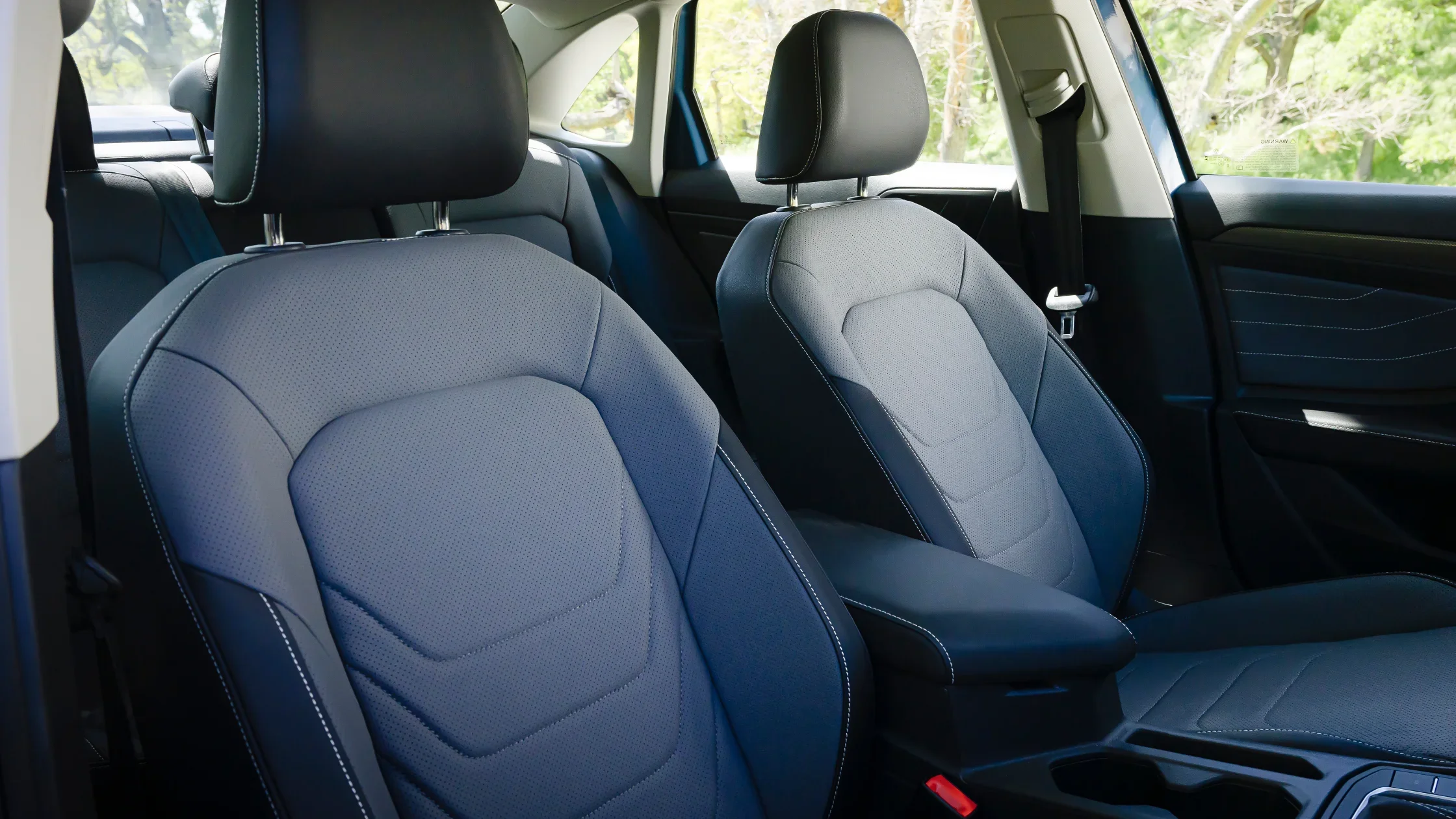
The interior of the 2026 Volkswagen Jetta is designed around a horizontal layout that prioritizes visibility, accessibility, and functional separation of controls. The dashboard integrates a floating central touchscreen positioned at an ergonomic height, reducing driver eye movement. Materials include soft-touch surfaces, chrome accents, and textured trim elements selected for durability and tactile consistency.
Passenger volume measures 94.7 cubic feet, providing ample headroom and legroom across both seating rows. Front headroom measures 38.5 inches, while rear headroom measures 37.2 inches. Front legroom extends to 41.1 inches, with rear legroom measuring 37.4 inches. Cargo capacity totals 14.1 cubic feet, supported by standard 60/40 split-folding rear seats to expand storage flexibility.
Digital Cockpit and Instrumentation Systems
All 2026 Volkswagen Jetta models feature the brand’s Digital Cockpit as standard equipment. This fully digital instrument cluster replaces traditional analog gauges with a configurable display that presents driving data, vehicle status, and assistance system information. Standard models include an 8-inch display with multiple viewing modes and customizable widgets.
Higher configurations receive a 10.25-inch Digital Cockpit Pro, offering additional layout options and expanded data visualization. The system can display navigation mapping, driving assistance indicators, and vehicle diagnostics directly in the driver’s line of sight. Display brightness and contrast are calibrated to maintain legibility under varying lighting conditions.
Infotainment Interface and Connectivity Integration
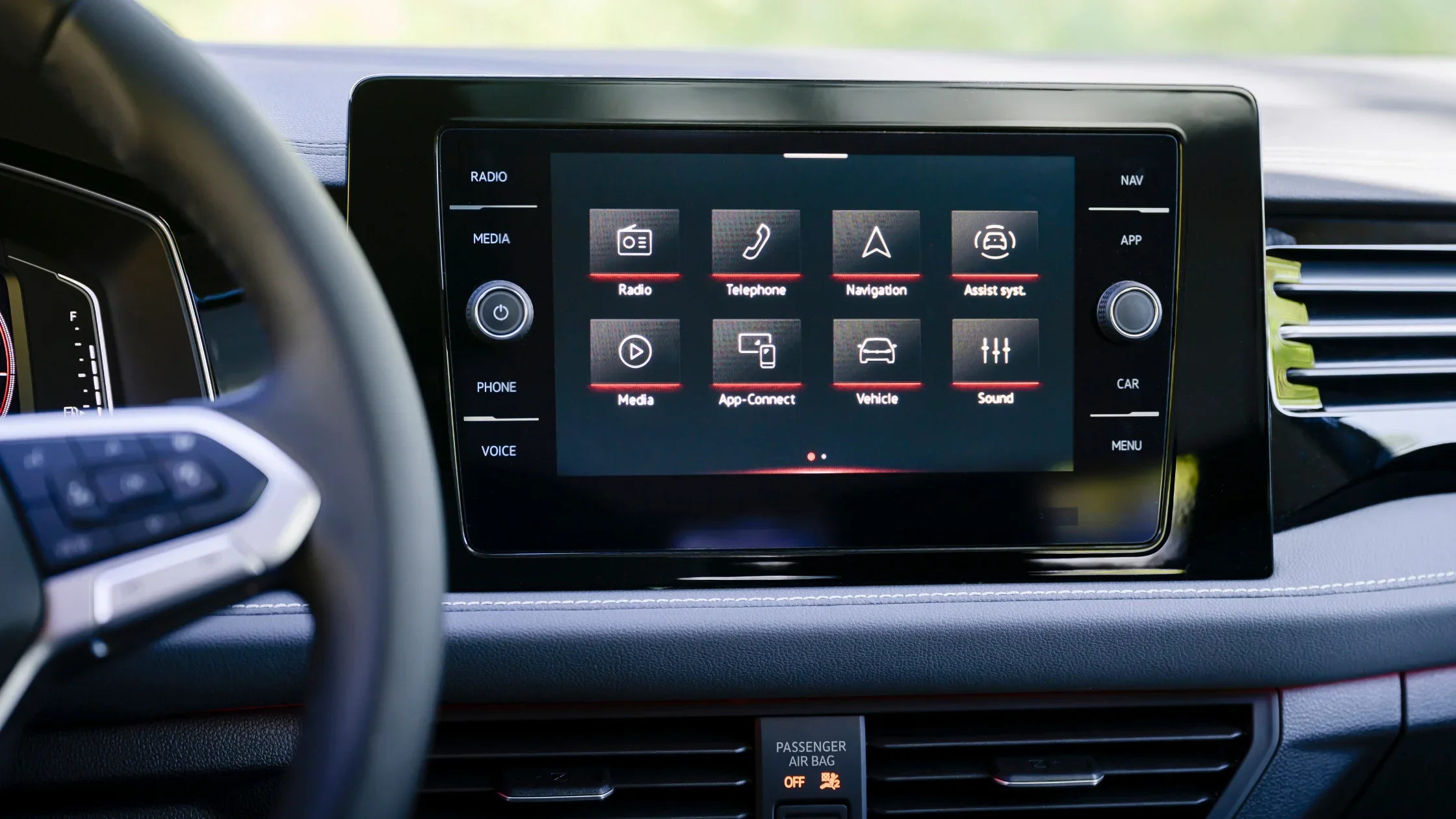
The infotainment system in the 2026 Volkswagen Jetta uses an 8-inch floating touchscreen as standard across all trims. The system supports wireless App-Connect functionality, enabling compatibility with Apple CarPlay® and Android Auto™ without physical cables. Bluetooth® connectivity supports hands-free calling and audio streaming for compatible devices.
Two USB-C ports with 45-watt fast charging capability are integrated into the center stack, supporting rapid device charging. Select configurations add wireless device charging and embedded navigation functionality. The system architecture allows simultaneous display of navigation information on both the central screen and the digital instrument cluster when using the native navigation system.
Climate Control and Cabin System Management
Dual-zone Climatronic® automatic climate control is standard on all 2026 Volkswagen Jetta models. The system allows independent temperature adjustment for the driver and front passenger. Touch-sensitive controls replace mechanical dials, reducing physical complexity while maintaining precise system input.
Additional cabin systems include automatic headlights, rain-sensing windshield wipers, heated side mirrors, and an auto-dimming rearview mirror. These systems operate using sensor-based inputs to adjust vehicle behavior based on environmental conditions, reducing manual intervention and supporting consistent operational performance.
Advanced Safety Architecture and Driver Assistance Systems
Safety systems in the 2026 Volkswagen Jetta include 6 airbags, electronic stability control, and anti-lock braking as standard. Automatic Post-Collision Braking is included to apply braking force after a detected impact, reducing the risk of secondary collisions. The Intelligent Crash Response System automatically unlocks doors, shuts off the fuel pump, and activates hazard lights during certain collision scenarios.
IQ.DRIVE® driver assistance technology is standard across the lineup. This suite includes adaptive cruise control with stop-and-go capability, lane keeping assistance, active blind spot monitoring, rear traffic alert, and emergency assist functionality. Travel Assist supports hands-on semi-automated driving by coordinating adaptive cruise control and lane centering functions within defined system limits.
Schedule a Test Ride Today
Drivers interested in evaluating the technical systems of the 2026 Volkswagen Jetta can experience its calibrated power delivery, steering response, and digital interfaces through a scheduled test drive at Keffer Volkswagen near Kannapolis, NC. A test drive allows direct interaction with the turbocharged engine, digital cockpit display, and driver assistance features under normal driving conditions. Evaluating the suspension behavior and braking response provides additional insight into the vehicle’s engineering priorities. Hands-on experience also allows assessment of infotainment responsiveness and cabin ergonomics. Scheduling a drive supports informed evaluation of the vehicle’s integrated technical design without reliance on specifications alone.CONTACT US FOR MORE INFORMATION